

Highlights
Hurricane Kristin - Lives Saved by Plastic
When a storm hits, plastic isn’t just an accessory - it’s an essential resource
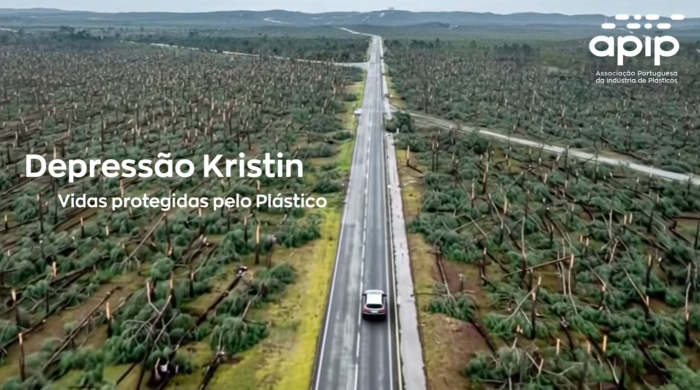
Storm Kristin left a trail of destruction in Portugal.
And it brought to light a reality that is often overlooked...
In emergency situations, when lives and property must be protected, plastic makes a difference in the response on the ground:
- Immediate shelter (tarps, covers, lightweight structures)
- Protection of water and food
- Storage and distribution of essential goods
- Protective equipment for teams
- Healthcare support and medical response (sterile materials, disposable devices, secure packaging)
- Support for critical services
This is not theory - it is operational. And it is reality.
Recognizing the usefulness of plastic does not mean ignoring its impacts. The challenge remains and is urgent: to reduce, reuse, innovate, and promote more circular and sustainable waste management.
The point is simple: decisions about materials must be responsible and evidence-based - considering context, performance, and impact.
In critical moments, what matters is effectiveness in protecting lives and restoring services.
When all else fails, it’s not slogans that protect - it’s choices appropriate to the context.