

Highlights
APIP promotes dialogue with ERSAR on new requirements for products in contact with drinking water
November 6, 2026
The technical and economic challenges of implementing Regulation No. 976/2025 were discussed at an information session bringing together representatives from industry, certification and distribution.
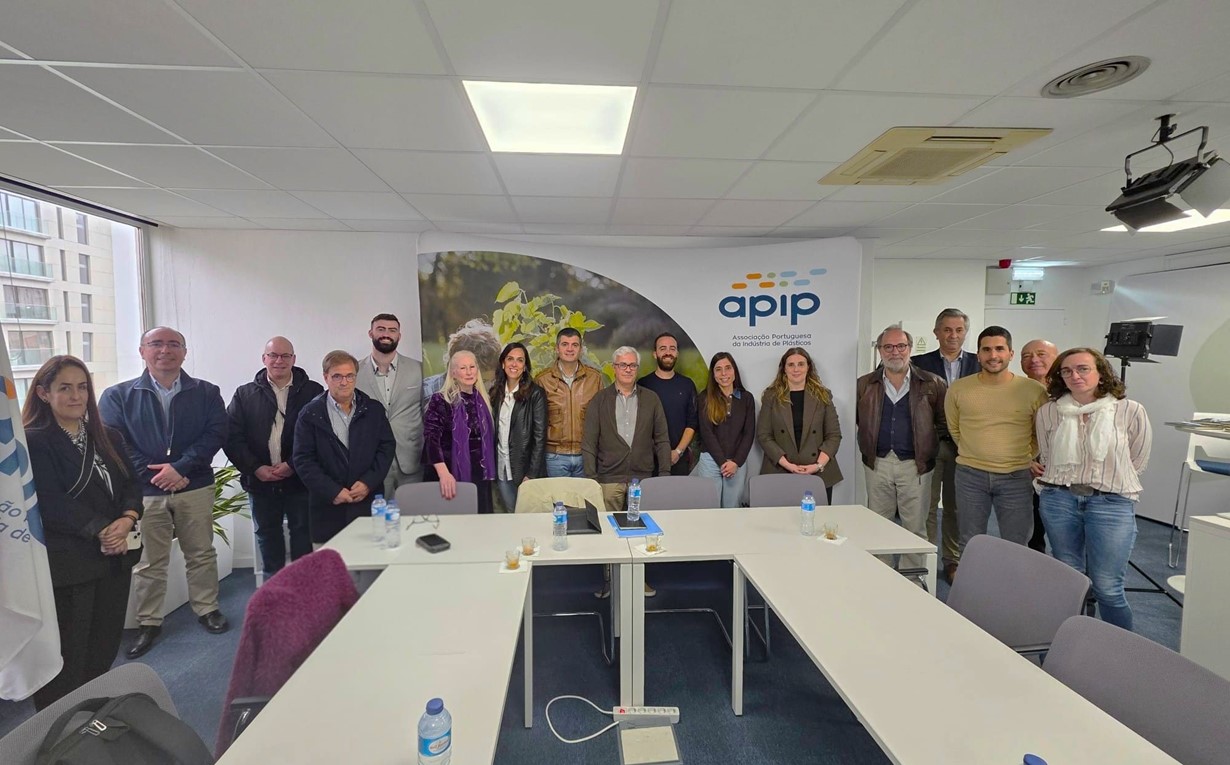
On 6 November, APIP hosted an information session at its Lisbon premises with ERSAR – the Water and Waste Services Regulation Authority, focusing on Regulation No. 976/2025. This regulation establishes the National Approval System for Products in Contact with Water Intended for Human Consumption, with significant implications for manufacturers of plastic pipes and fittings.
The session was coordinated by Vicente Sousa, APIP’s Vice-President for Buildings and Infrastructure, and featured Luís Simas, Senior Adviser to ERSAR’s Board of Directors, who presented the regulatory framework, applicable requirements, and conformity assessment and certification procedures.
During the meeting, APIP voiced the main concerns of companies in the sector, including the technical challenges associated with testing and certification, adaptation costs, stock management and implementation timelines. The potential impact of the new framework on the competitiveness of Portuguese industry was also discussed.
In this context, the Association stressed the importance of ensuring a balanced, phased and harmonised implementation that safeguards public health objectives while taking into account companies’ operational and economic circumstances.
The participation of plastic pipe and fitting manufacturers, CERTIF – the Portuguese Association for Certification, and APCMC – the Construction Materials Association enabled stakeholders from across the value chain to share their perspectives in direct dialogue with the regulator. ERSAR expressed its willingness to continue providing guidance on the regulation, helping to clarify requirements and support economic operators in their preparations.
APIP will continue to monitor this process and promote coordination between the regulator, manufacturers, certification bodies and other stakeholders across the value chain, with the aim of supporting an implementation of the new regulatory framework that is technically sound, feasible and suited to the sector’s needs.